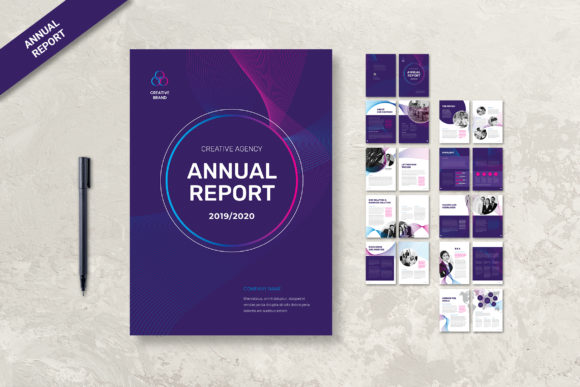
Annual Report – A Comprehensive Tool for Business Transparency and Insight
An Annual Report serves as a critical document that provides stakeholders with an overview of a company’s performance, operations, and future outlook over the past year. Whether you are a business owner, investor, or professional looking to understand a company's health, this report is an essential resource. It encapsulates a wide range of information, from financial summaries to strategic goals, making it a valuable asset for both internal and external audiences.
Understanding the Purpose of an Annual Report
The primary purpose of an Annual Report is to communicate a company’s achievements, challenges, and strategies in a clear and structured manner. It offers transparency by detailing the company’s financial status, operational activities, and governance practices. This document is typically prepared for shareholders, potential investors, employees, and regulatory bodies.
For business owners, the Annual Report acts as a reflection of their organization's progress and direction. It helps in setting benchmarks for future performance and identifying areas that require improvement. For professionals and consumers, it provides insight into the company’s stability, innovation, and commitment to ethical practices.
Key Features of an Annual Report
An Annual Report is not just a collection of numbers; it is a well-structured document that includes several key components:
- Company Information: Overview of the company's history, mission, vision, and core values.
- Working Structure: Details about the organizational hierarchy, departments, and key personnel.
- Procedures and Policies: Explanation of the processes and guidelines followed by the company.
- Data Analysis: Statistical data and trends that reflect the company’s performance.
- Performance Analysis: Evaluation of key performance indicators (KPIs) and outcomes achieved during the reporting period.
- Financial Health: Comprehensive financial statements, including income statements, balance sheets, and cash flow analyses.
These features make the Annual Report a versatile tool that can be used across various sectors, including finance, technology, healthcare, and more.
Where Can an Annual Report Be Used?
The Annual Report finds its application in numerous scenarios:
- Investor Relations: Investors rely on these reports to assess the viability and growth potential of a company before making investment decisions.
- Strategic Planning: Business leaders use the insights gained from the report to plan future initiatives and allocate resources effectively.
- Regulatory Compliance: Companies must submit annual reports to regulatory authorities to ensure compliance with legal and industry standards.
- Employee Communication: Employees gain a better understanding of the company’s direction and how their contributions impact overall success.
Its adaptability makes it a crucial component in any organization’s communication strategy.
Strengths of an Annual Report
The Annual Report has several strengths that contribute to its widespread usage:
- Transparency: It promotes openness and trust among stakeholders by providing detailed and accurate information.
- Accountability: The report ensures that the company is held accountable for its actions and performance.
- Decision-Making: It supports informed decision-making by presenting relevant data and analysis.
- Brand Image: A well-crafted Annual Report enhances the company’s reputation and brand image.
These strengths highlight why many organizations consider it a vital part of their annual cycle.
Considerations and Limitations
While the Annual Report is a powerful tool, there are certain considerations and limitations to keep in mind:
- Time Sensitivity: The data presented is based on the previous year, which may not reflect current market conditions.
- Complexity: Some sections may be difficult to understand for non-experts, requiring additional interpretation.
- Subjectivity: While the report aims to be objective, there can be biases in how data is presented or interpreted.
Despite these limitations, the Annual Report remains a foundational document for evaluating a company's performance and potential.
Real-World Applications of an Annual Report
Here are some real-world examples of how the Annual Report is applied:
Example 1: A tech startup uses its Annual Report to showcase its growth trajectory, funding sources, and technological advancements to attract venture capital investments.
Example 2: A manufacturing firm utilizes the Annual Report to provide employees with an overview of the company's financial health and strategic goals, fostering a sense of shared purpose.
Example 3: An NGO publishes its Annual Report to demonstrate its impact, donor usage, and future projects, ensuring continued support from stakeholders.
These examples illustrate the diverse applications of the Annual Report in different contexts.
Evaluating Suitability for Your Needs
When considering whether an Annual Report is suitable for your project, it’s important to evaluate several factors:
- Target Audience: Who will be reading the report? Tailoring the content to meet the needs of your audience is crucial.
- Content Depth: How detailed should the report be? Balance between comprehensiveness and readability is key.
- Design and Format: A visually appealing layout enhances the report's effectiveness. Using tools like Adobe InDesign allows for customization and professional presentation.
- Legal Requirements: Ensure the report complies with all relevant laws and regulations applicable to your industry.
By addressing these factors, you can create a tailored Annual Report that meets your specific needs and objectives.
Conclusion
The Annual Report is more than just a document; it is a comprehensive representation of a company’s journey, challenges, and successes. Whether you are preparing one for your business or analyzing one for research purposes, understanding its structure, purpose, and value is essential. With the right approach, an Annual Report can serve as a powerful tool for communication, accountability, and strategic planning.