Mastering the Corporate Bi-Fold Brochure Design for Modern Agencies
In an era where digital communication dominates, the tangible impact of a well-crafted physical document remains undeniable. For creative and corporate agencies, the Corporate Bi-Fold Brochure Design serves as a critical touchpoint in establishing brand authority and conveying complex service offerings. Unlike standard flyers or tri-fold documents, the bi-fold format offers a sophisticated canvas that balances visual storytelling with structured information delivery. This specific layout is particularly suited for professionals who need to present a cohesive narrative without overwhelming their audience.
The effectiveness of this medium lies not just in the content but in the structural integrity and professional polish of the design itself. A high-quality brochure acts as a silent salesperson, guiding potential clients through a journey of discovery. When executed correctly, it transforms abstract services into concrete value propositions. The following sections explore the technical specifications, practical applications, and strategic advantages of utilizing a premium bi-fold template designed specifically for the modern business landscape.
Structural Advantages of the Bi-Fold Format
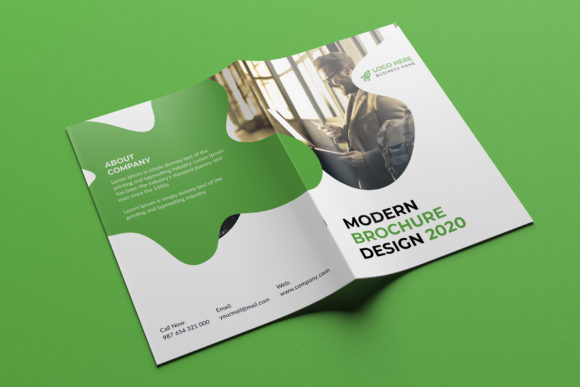
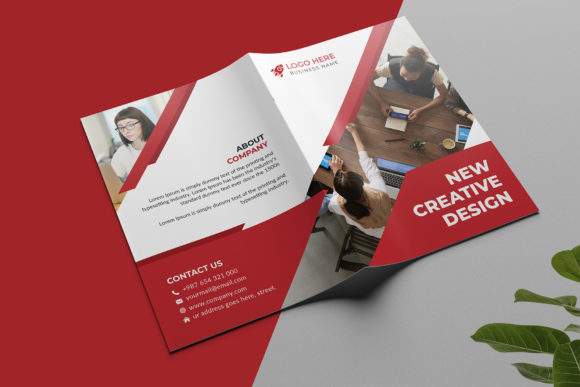
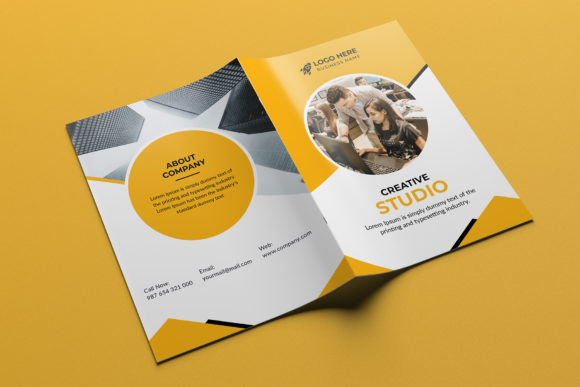
The decision to adopt a bi-fold structure over other print formats is often driven by the need for a distinct user experience. With dimensions typically set at 8.26 x 11.69 inches (A4 size) before folding, the bi-fold creates four distinct panels: two on the exterior and two on the interior. This configuration allows for a logical flow of information that mimics the natural progression of reading from left to right.
Visual Continuity
One of the primary characteristics of the bi-fold design is its ability to maintain visual continuity across the spread. When opened, the inner pages form a large, uninterrupted canvas. This is ideal for showcasing high-resolution imagery, infographics, or comprehensive case studies that require more space than a tri-fold can offer. For a corporate agency, this means the ability to display a project portfolio or a detailed service roadmap without the interruption of fold lines cutting through key visual elements.
Perceived Value
Psychologically, the bi-fold format is perceived as more substantial and expensive than a simple single-sheet flyer. The extra effort required to fold the paper adds a layer of tactile engagement. In a competitive market, this perception of quality can significantly influence a client's initial impression. It signals that the agency behind the document values detail and precision, traits that are highly desirable in professional partnerships.
Technical Specifications for Professional Output
To achieve the level of quality expected in the corporate sector, the underlying file structure must meet rigorous industry standards. A robust Corporate Bi-Fold Brochure Design is not merely a collection of images placed on a page; it is a meticulously organized digital construction ready for commercial printing. The following technical attributes define a professional-grade asset:
- Print-Ready Configuration: The file is prepared specifically for offset or digital printing presses, ensuring that margins, bleeds, and crop marks are accurate.
- CMYK Color Mode: Unlike web designs which use RGB, professional print requires CMYK color profiles to ensure that colors appear exactly as intended when transferred to paper.
- High Resolution Standards: At 300dpi, the resolution ensures that all text and graphics remain sharp and free from pixelation, even when viewed up close.
- Optimized Bleed Area: A 0.25-inch bleed is included around the edges. This prevents unsightly white borders if the cutting machine shifts slightly during the trimming process.
These specifications are not optional luxuries; they are necessities for maintaining brand integrity. A blurry logo or a color shift due to incorrect color modes can undermine the credibility of an entire agency. Therefore, relying on a pre-configured, fully editable PSD file that adheres to these standards is the most efficient path to success.
Workflow Efficiency and Customization Capabilities
For designers and marketing managers, time is a valuable resource. The complexity of creating a brochure from scratch involves setting up guides, defining color palettes, organizing layers, and selecting typography. A dedicated template streamlines this workflow, allowing users to focus on content strategy rather than technical setup.
Layer Organization
A hallmark of a superior design file is its organizational clarity. In a properly structured PSD file, every element—from background textures to final headlines—is housed in logically named layers. This separation allows for non-destructive editing. If a client requests a change in the company logo or a swap of the primary color scheme, the designer can locate the specific layer group and update it instantly without disturbing the rest of the layout.
Smart Objects and Flexibility
The inclusion of smart objects is a game-changer for customization. These placeholders allow users to double-click an image area and insert their own high-resolution photos. Once saved, the image automatically conforms to the frame's perspective and masking effects. This feature eliminates the common frustration of stretched or distorted images, ensuring that the final output looks professionally composed regardless of the source material.
Typography Integration
Typeface selection plays a pivotal role in the tone of a corporate document. Premium templates often come pre-integrated with popular Google Fonts, which are freely available for both personal and commercial use. This ensures that the typography remains legible and aesthetically pleasing while avoiding licensing complications. Users can easily swap out headings or body text styles to match their brand guidelines, knowing that the font weights and spacing have already been optimized for print readability.
Target Applications Across Industries
While the term "corporate" suggests a narrow scope, the versatility of the bi-fold format extends far beyond traditional finance or law firms. The clean, structured nature of the design makes it adaptable to a wide array of sectors.
Agency Portfolios
Creative agencies utilize this format to showcase their best work. The interior spread provides ample room for full-page photographs of completed projects, accompanied by brief descriptions of the challenges faced and solutions implemented. The bi-fold structure naturally divides the portfolio into distinct categories, such as branding, web design, or marketing campaigns.
Service Overviews
Consulting firms and B2B service providers benefit from the logical flow of the bi-fold. They can dedicate the front cover to a strong value proposition, the inside left panel to core competencies, the inside right panel to client testimonials or statistics, and the back panel to contact information and a call to action. This narrative arc helps guide the reader toward making a business decision.
Educational and Research Materials
Educators and researchers also find utility in this format. Whether distributing a syllabus overview, a research summary, or a workshop guide, the bi-fold offers enough space to include charts, graphs, and detailed explanations without appearing cluttered. The professional appearance lends academic weight to the materials being distributed.
Strategic Considerations for Implementation
Adopting a new design template requires a strategic approach to ensure maximum return on investment. While the technical aspects are crucial, the content strategy determines the ultimate success of the brochure.
Content Curation
With more space available compared to a tri-fold, there is a temptation to fill every inch with text. However, effective Corporate Bi-Fold Brochure Design relies on the principle of negative space. White space allows the eyes to rest and directs attention to the most important information. Content should be concise, punchy, and scannable. Use bullet points and bold headers to break up dense paragraphs.
Imagery Selection
It is important to note that while the template includes placeholders, actual photography is often not included in the base file. This gives the user complete freedom to select images that align perfectly with their specific brand identity. High-quality, authentic photography is essential. Stock images that look generic can detract from the professional feel. Investing in custom photography or carefully curated stock images that tell a unique story will elevate the entire piece.
Color Psychology
The template allows for easy editing of colors, but users should exercise caution when altering the default palette. Colors evoke emotions and convey messages. Blue often signifies trust and stability, suitable for financial institutions, while vibrant oranges or greens might be better for creative or eco-friendly agencies. Changing the color scheme should be done thoughtfully to maintain the balance established by the original design.
The Importance of Print Quality
Once the design is finalized, the transition from screen to paper is the final hurdle. Even the most beautiful design can fail if printed on low-quality paper or with poor ink coverage. Because the file is provided in a 300dpi CMYK format, it is compatible with professional printing houses. However, users should always request a physical proof before running a large batch.
Selecting the right paper stock is equally important. A heavier cardstock, such as 300gsm or higher, enhances the durability and premium feel of the brochure. Matte finishes reduce glare and make text easier to read, while glossy finishes can make colors pop. The choice depends on the brand's desired aesthetic and the environment in which the brochure will be viewed.
Conclusion on Digital Asset Utility
The Corporate Bi-Fold Brochure Design represents a convergence of artistic expression and functional utility. By providing a structure that is both visually appealing and technically sound, it empowers businesses to communicate their message with clarity and confidence. The combination of print-ready specifications, layered editability, and versatile application makes it an indispensable tool for any organization looking to strengthen its physical presence.
Whether used for launching a new product, introducing a team of experts, or summarizing years of research, the bi-fold format stands out in a sea of digital noise. Its ability to engage the senses through touch and sight creates a memorable experience that digital screens often struggle to replicate. For professionals seeking to enhance their brand's reputation, investing time in customizing a high-quality bi-fold template is a strategic move that yields lasting results.
As the business landscape continues to evolve, the tools we use to connect with our audiences must remain adaptable. A well-designed brochure serves as a bridge between the digital and physical worlds, offering a tangible representation of a company's commitment to excellence. By leveraging the features of a fully editable, high-resolution PSD file, creators can produce materials that not only inform but inspire action.