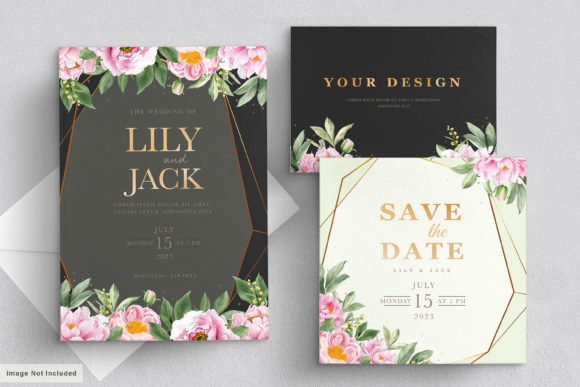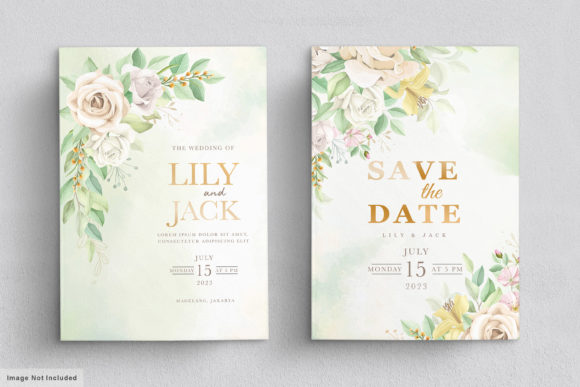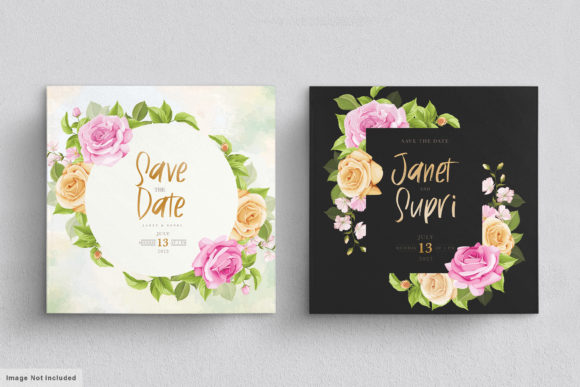
Greenery Wedding Invitation Card Theme: A Practical Guide to Flawless Design
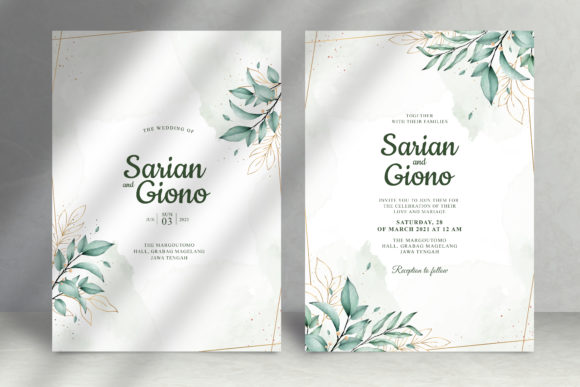
The Greenery Wedding Invitation Card Theme has become a cornerstone of modern wedding planning, offering a timeless blend of nature and elegance. For couples who want their invitations to set the tone for a serene, organic celebration, this theme provides a sophisticated backdrop that never feels dated. However, while the visual appeal is undeniable, the path from selecting a template to printing your final cards is often fraught with technical pitfalls that can ruin an otherwise perfect design.
Many creators and small business owners rush into downloading templates without understanding the file specifications or the editing limitations inherent in certain formats. This oversight can lead to costly reprints, blurry images, or a final product that fails to convey the intended message. By focusing on the specific features of editable greenery watercolor templates, you can avoid these common errors and ensure your invitation suite looks as professional as it feels.
Understanding the Core Features of Editable Templates
When searching for the right Greenery Wedding Invitation Card Theme, it is crucial to distinguish between static images and truly editable files. A common mistake is purchasing a JPEG preview and assuming it can be customized directly. While JPEGs are excellent for viewing the final look, they do not allow for text changes or element adjustments. To achieve a personalized result, you need source files that support vector editing.
The most reliable templates include both EPS files and Ai (Adobe Illustrator) files. These formats preserve the integrity of the watercolor illustrations and the crispness of the typography. The EPS format is particularly valuable because it is compatible with a wide range of design software, including older versions of Adobe products and some open-source alternatives. Meanwhile, the Ai file offers the most flexibility for advanced users who wish to manipulate individual layers of the greenery elements.
Additionally, high-quality templates come with JPEG preview files. These serve as a quick reference guide, allowing you to see exactly how the card will look before you begin the editing process. This feature saves time by preventing the frustration of opening a complex file only to realize the layout does not match your vision. Always verify that the package includes these previews to ensure you are making an informed decision.
Navigating Font Limitations and Customization
One of the most significant sources of confusion for beginners involves font usage. Many premium templates advertise "customizable text," but they often rely on proprietary fonts that require a paid license. If you simply download the template and try to edit the text without having the correct font installed, your design will break. The default system fonts will replace the original typeface, often ruining the aesthetic balance of the invitation.
To avoid this issue, prioritize templates that explicitly state they use only free fonts. This ensures that when you open the file, the text displays correctly without requiring any additional purchases or downloads. It also simplifies the workflow, allowing you to focus on the content rather than troubleshooting missing typefaces. Furthermore, check if the template allows you to change the text color easily. A flexible design lets you adjust the text hue to match your wedding palette, ensuring the words stand out against the lush green background.
For those new to graphic design, the ability to edit text color is a vital feature. It transforms a generic template into a bespoke piece of art. Whether you need to match a deep emerald leaf or a soft sage accent, the capability to tweak colors ensures consistency across your entire wedding stationery suite.
Common Pitfalls in File Preparation and Sizing
Even with a perfect template, technical errors during the preparation phase can lead to disappointing results. One frequent mistake is ignoring the standard dimensions of invitation cards. The industry standard for many formal invitations is 5×7 Inches. However, some templates are designed for 4×6 or 5×8 sizes, which can cause issues when ordering prints from professional vendors.
If you select a template that does not match the size requirements of your printer, you may end up with cropped text or excessive white borders. Always double-check the dimensions listed in the product description. A high-quality 5×7 Inches Invitation Card template should be clearly labeled with its exact measurements and bleed settings. Bleed is the extra area around the edge of the card that gets trimmed off; without it, your greenery designs might get cut unevenly.
Another overlooked detail is the resolution of the raster elements within the vector file. While vectors scale infinitely, watercolor textures are often embedded at specific resolutions. If you attempt to enlarge a 5×7 card to a larger poster size without checking the DPI (dots per inch), the watercolor details may appear pixelated or blurry. Stick to the intended print size unless you have verified that all assets are high-resolution enough for scaling.
Why Professional Quality Matters
Investing in a well-structured template pays off in the final presentation. A poorly constructed file can lead to alignment issues where the text drifts off the page or the greenery elements overlap awkwardly. This lack of precision detracts from the perceived value of your wedding. Guests form an impression of your event based on the first item they receive—the invitation. If the design looks amateurish due to file errors, it can undermine the care and effort you have put into the rest of the planning.
By choosing a template that includes both EPS and Ai files, you ensure that every element is fully accessible. This means you can move the foliage, resize the frame, or adjust the spacing without losing quality. The freedom to rearrange components allows you to create a unique layout that fits your specific needs, whether you are adding a map, a schedule, or a special note.
Making the Right Choice Before You Buy
Before finalizing your purchase, take a moment to evaluate the template against your specific requirements. Do not rely solely on the thumbnail image. Look for detailed screenshots or a full preview gallery that shows the text editing capabilities. Verify that the text is editable and that the font list is included in the download package.
Consider the skill level required to use the template. If you are a beginner, look for instructions or tutorials that explain how to open the files and make changes. A good template should be user-friendly, guiding you through the process of changing the text color and updating the date and location. For professionals, the priority is efficiency and control. Ensure the layer structure is logical and named correctly, so you can find the greenery elements quickly without sifting through clutter.
Finally, think about the longevity of your investment. A versatile Greenery Wedding Invitation Card Theme should be usable for various occasions beyond just weddings. The same design can be adapted for engagement parties, bridal showers, or even corporate events with a slight tweak to the text and color scheme. This versatility adds value to your purchase, making it a sustainable choice for your creative projects.
By paying attention to file formats, font licensing, and sizing standards, you can sidestep the common frustrations associated with DIY design. The goal is to create an invitation that not only looks beautiful but functions perfectly from screen to paper. With the right tools and a bit of careful planning, your 5×7 Inches Invitation Card will be a stunning representation of your special day.