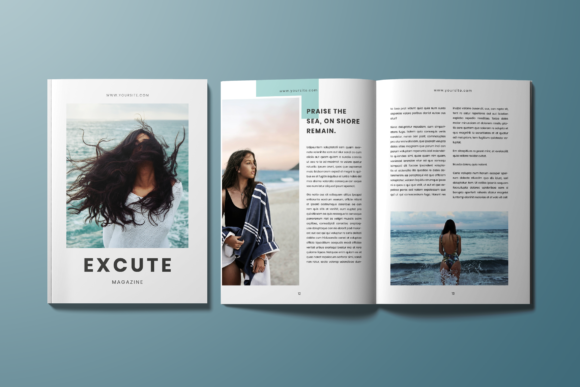
Magazine Template and Magazine Template – Photography Style: The Ultimate Guide to Professional Design
In the rapidly evolving world of visual communication, the ability to present information in a structured, aesthetically pleasing manner is more critical than ever. Whether you are an aspiring photographer, a seasoned graphic designer, or a business owner looking to create a brand catalog, the foundation of your project often lies in the template you choose. This is where Magazine Template and Magazine Template – Photography Style come into play. These professional and clean design solutions offer a versatile framework that can elevate any publication from a simple document to a polished work of art.
Designed for versatility, these templates serve as the backbone for magazines, books, journals, catalogs, and a myriad of other creative projects. By understanding their features, capabilities, and the specific advantages they bring to Adobe InDesign users, you can streamline your workflow and achieve results that rival top-tier publications. Let's explore how these tools fit into modern design practices and why they are essential for anyone serious about print media.
Understanding the Core Purpose of Professional Templates
At its heart, a magazine template is not just a collection of blank pages; it is a pre-structured system designed to guide the user through the complexities of layout design. For beginners, this structure removes the intimidation factor associated with starting a new project. Instead of worrying about margins, column widths, or font hierarchies, the heavy lifting is already done.
The Magazine Template and its Photography Style counterpart are built on the principles of clarity and organization. They are intended to be fully editable, allowing creators to inject their unique voice while maintaining a cohesive visual identity. This flexibility is crucial in today's fast-paced environment where content needs to be updated quickly without compromising on quality. Whether you are producing a quarterly journal for a university or a high-end fashion catalog for a retail brand, these templates provide the stability needed to focus on creativity rather than technical constraints.
Why Adobe InDesign Remains the Industry Standard
To fully appreciate the value of these templates, one must understand the software they are built for: Adobe InDesign. As the leading desktop publishing application, InDesign offers unparalleled control over typography, images, and layout. When a template is created specifically for this platform, it leverages advanced features like smart layers and master pages to ensure efficiency.
The templates mentioned here are crafted to maximize these capabilities. They utilize Smart Layers, which means that elements such as headers, footers, page numbers, and background graphics are neatly organized. This organization allows designers to toggle visibility, lock specific elements to prevent accidental edits, and make global changes across multiple pages with a single click. For a 14-page document, this level of organization saves hours of manual labor, making the editing process intuitive and error-free.
Key Features That Define Quality
What separates a generic template from a professional-grade asset like the Magazine Template? It comes down to the technical specifications and the attention to detail embedded in the file. Here is a breakdown of the essential features that make this template a standout choice for various projects.
- Standardized Dimensions: The template is formatted in the standard A4 size (21cm x 29.7cm), which is the international standard for many print publications. This ensures that when you send your file to a printer, the dimensions are correct, eliminating costly resizing errors.
- Comprehensive Page Count: With 14 Custom Pages Included, the template offers enough space to develop a substantial narrative. This includes a dedicated front cover and back cover, providing a complete package for your publication.
- Print-Ready Color Mode: Designed in CMYK Format, the template is optimized for commercial printing. Unlike RGB, which is used for screens, CMYK (Cyan, Magenta, Yellow, Key/Black) accurately represents how colors will appear on paper. This prevents the frustrating scenario where vibrant digital designs look dull after printing.
- High Resolution: At 300 DPI (Dots Per Inch), the resolution is set to the industry standard for crisp, sharp print output. This ensures that text remains legible and images retain their detail even at close range.
- Professional Bleed Settings: The inclusion of a 3 mm bleed is a critical feature for professional printing. Bleed refers to the area outside the trim edge of the page. By extending backgrounds and images into this zone, you ensure that there are no white edges if the paper is cut slightly off-center during the trimming process.
The Role of Typography and Imagery
Aesthetics play a pivotal role in how readers perceive a publication. The Magazine Template – Photography Style is particularly renowned for its ability to showcase visuals without overwhelming the viewer. This style prioritizes large, high-quality images, making it ideal for portfolios, travel journals, and photography books.
To maintain consistency and readability, the template utilizes Free Fonts Used DaFont or Google Fonts. This is a significant advantage for budget-conscious creators who do not want to incur licensing fees for expensive typefaces. By using widely available fonts, the template ensures that the design looks exactly as intended on any computer, provided the fonts are installed. This eliminates the "missing font" errors that often plague shared design files.
It is important to note that while the preview images included in the download demonstration are visually striking, All images used here are just for preview purposes only they are not included in main downloadable files. This distinction is vital for users to understand. You are purchasing the structure and the design logic, not the stock photos. This gives you the freedom to upload your own content, ensuring that the final product is entirely original and tailored to your specific subject matter.
Practical Applications in Modern Life and Business
The utility of these templates extends far beyond traditional publishing houses. In the modern landscape, the demand for high-quality printed materials has shifted towards niche markets and personalized branding. Here is how different sectors can leverage the Magazine Template:
- Educational Journals: Schools and universities can use the template to create student newsletters, research journals, or departmental catalogs. The clean layout helps organize complex information, making it easier for students and faculty to digest.
- Creative Portfolios: Photographers and artists often struggle to find a layout that doesn't distract from their work. The Photography Style variation provides a minimalist canvas that lets the artwork speak for itself, perfect for showcasing a portfolio to potential clients or galleries.
- Business Catalogs: Small businesses can produce professional-looking product catalogs without hiring an expensive design agency. The 14-page limit is sufficient for a mid-sized product line, and the CMYK setup ensures the colors match the physical products accurately.
- Personal Projects: From wedding albums to family history books, individuals can use these tools to document memories. The ease of editing in InDesign makes it accessible for non-designers who want a custom touch.
Clarifying Common Misunderstandings
Despite the clear benefits, there are some common misconceptions about using magazine templates. One frequent assumption is that templates are rigid and limit creativity. However, the reality is quite the opposite. Because the Magazine Template features neatly organized layers, it encourages experimentation. Users can easily swap out color schemes, change font sizes, or rearrange image placements without breaking the overall design integrity.
Another misunderstanding involves the software requirements. Some users assume that because the file is for InDesign, it requires a paid subscription to open. While InDesign is a premium tool, understanding that the template is compatible with the full version of the software helps set realistic expectations. There are free alternatives for viewing PDF proofs, but for full editing capabilities, InDesign is the recommended path.
Conclusion: Elevating Your Visual Storytelling
In conclusion, the Magazine Template and Magazine Template – Photography Style represent the intersection of functionality and beauty. They are not merely static documents but dynamic tools that empower creators to tell their stories effectively. By adhering to professional standards like CMYK color modes, 300 DPI resolution, and proper bleed settings, these templates ensure that your work stands up to the rigors of commercial printing.
Whether you are designing a book, a catalog, or a personal journal, the ability to customize every element while maintaining a clean, professional look is invaluable. The inclusion of free fonts and the separation of preview images from the actual file further demonstrate the thoughtful design philosophy behind these assets. For anyone looking to enhance their design skills or produce high-quality print materials, these templates offer a robust foundation. They bridge the gap between amateur enthusiasm and professional execution, proving that with the right tools, anyone can create a publication that captures attention and conveys meaning.
As we move forward in an increasingly digital age, the tactile experience of a well-designed print magazine remains a powerful medium. By utilizing these resources, you are not just creating a document; you are crafting an experience that resonates with your audience. So, open your Adobe InDesign application, load the template, and let your creativity flow onto the page.