Food Menu Design for Restaurants and Cafes
A Food Menu is far more than a simple list of dishes; it serves as the primary interface between a culinary establishment and its guests. In the digital age, where visual appeal drives immediate engagement, the design of this document determines how customers perceive quality before they even taste the first bite. Whether you are running a bustling street food stall or a high-end grill bar, the layout, typography, and color scheme act as silent ambassadors for your brand. This template bundle addresses the critical need for professional presentation by offering a versatile solution that adapts to diverse business models.
Why Design Matters Across Different Venues
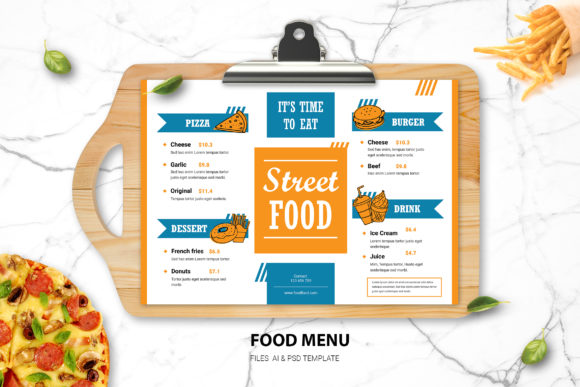
The context in which a menu is used dictates its structural requirements. For a coffee shop, the focus might be on clarity and speed, allowing patrons to make quick decisions during morning rushes. Conversely, a catering company requires a layout that can handle extensive lists of options while maintaining an elegant aesthetic suitable for formal events. A street food vendor needs something durable and visually striking that stands out in a crowded market. The Food Menu – Street Food variant specifically caters to these dynamic environments with bold visuals and concise text blocks.
Understanding these nuances helps businesses avoid generic designs that fail to resonate with their specific clientele. A well-structured menu guides the eye naturally, highlighting signature items without overwhelming the reader. It balances artistic expression with functional readability, ensuring that dietary information and pricing are accessible at a glance.
Adapting to Your Skill Level and Needs
One of the most significant advantages of modern design templates is the democratization of professional aesthetics. You do not need to be a graphic designer to create a stunning menu. However, the approach to customization varies depending on your technical proficiency and project goals.
- For Beginners: If you are just starting a small business or managing a hobbyist blog, ease of use is paramount. This template offers fully editable text, shapes, and colors within Adobe Photoshop and Illustrator. The files are organized into layers, making it straightforward to swap out images and adjust fonts without disrupting the underlying structure. The inclusion of free fonts reduces initial costs, allowing you to allocate resources elsewhere.
- For Professionals and Creators: Experienced designers value flexibility and precision. The fully layered PSD and AI files allow for deep customization. You can modify the bleed area and safety zone to ensure perfect alignment during the printing process. With 300 DPI resolution in CMYK color mode, the output remains crisp and vibrant, meeting industry standards for print-ready materials.
- For Educators and Marketers: These users often look for learning tools or case studies. The clear organization of the files provides an excellent opportunity to teach students about layout principles, hierarchy, and color theory. Marketers can quickly adapt the design to test different promotional strategies, such as highlighting seasonal specials or new product launches.
Priorities: Quality, Speed, and Commercial Value
When evaluating a menu design tool, different stakeholders prioritize different attributes. For a small business owner operating on a tight budget, cost-effectiveness is a major factor. This bundle eliminates the need to hire expensive freelancers for every minor update. Instead, it provides a long-term asset that can be reused and modified indefinitely.
Reliability is another key concern. Printing errors can be costly and damage a brand's reputation. The inclusion of a bleed area and safety zone ensures that no critical content gets cut off during the trimming process. This attention to detail demonstrates a commitment to quality, which translates directly to customer trust.
Speed matters significantly for entrepreneurs who need to launch quickly. The ability to change photos and text instantly allows for rapid deployment. Whether you are opening a new location or refreshing an existing one, the time saved on design work can be redirected toward operations and customer service.
Practical Examples for Diverse Users
To illustrate how this tool fits various scenarios, consider the following examples:
- The Grill Bar Owner: Imagine a venue specializing in smoky flavors and hearty portions. They need a menu that reflects warmth and texture. By adjusting the color palette to earth tones and selecting robust fonts, the owner can create an atmosphere that complements the food. The high-resolution images (for preview purposes) inspire them to choose photography that matches the mood.
- The Catering Coordinator: For large events, clarity is essential. A coordinator might use the template to organize complex menus with multiple courses. The flexible layout allows them to group items logically, ensuring guests understand the flow of the meal. The ability to edit shapes and colors helps align the menu with the event's theme.
- The Street Food Blogger: Content creators often need visuals to accompany their reviews. While they cannot sell the physical menu, they can use the template to create digital versions for their audience. The fully editable nature allows them to mock up concepts for hypothetical restaurants or showcase real ones with accurate branding.
Evaluating Fit for Your Project
Before committing to any design resource, it is crucial to assess whether it aligns with your current capabilities and future plans. Ask yourself if you have access to the necessary software. Since this template requires Adobe Photoshop and Illustrator, users without these applications will need to find alternatives or invest in the tools.
Consider the longevity of the design. A static menu may become outdated quickly in a fast-paced industry. The flexibility of this bundle supports continuous updates, keeping your offerings fresh. Additionally, think about the print environment. If you plan to print locally, verify that your printer accepts CMYK files with the specified bleed settings. The 300 DPI resolution ensures that the final product looks professional, regardless of the printing method.
It is also important to note that all images included in the preview are for demonstration only and are not part of the download. This distinction empowers you to source your own high-quality photography, ensuring that the visual representation of your food is authentic and appetizing. Custom photos add a personal touch that stock imagery often lacks, helping to build a unique brand identity.
The Long-Term Perspective
Investing in a well-designed menu is an investment in the longevity of your business. As trends shift and menus evolve, having a robust, editable file means you can adapt without starting from scratch. Whether you are a hobbyist experimenting with recipes or a seasoned entrepreneur scaling your operations, the right design tool bridges the gap between vision and reality.
Ultimately, the goal is to create a seamless experience for your customers. A menu that is easy to read, visually appealing, and professionally printed enhances the overall dining experience. By choosing a template that prioritizes organization, resolution, and ease of editing, you set a strong foundation for success. The Food Menu bundle stands ready to support your journey, providing the tools you need to present your culinary creations with confidence.